
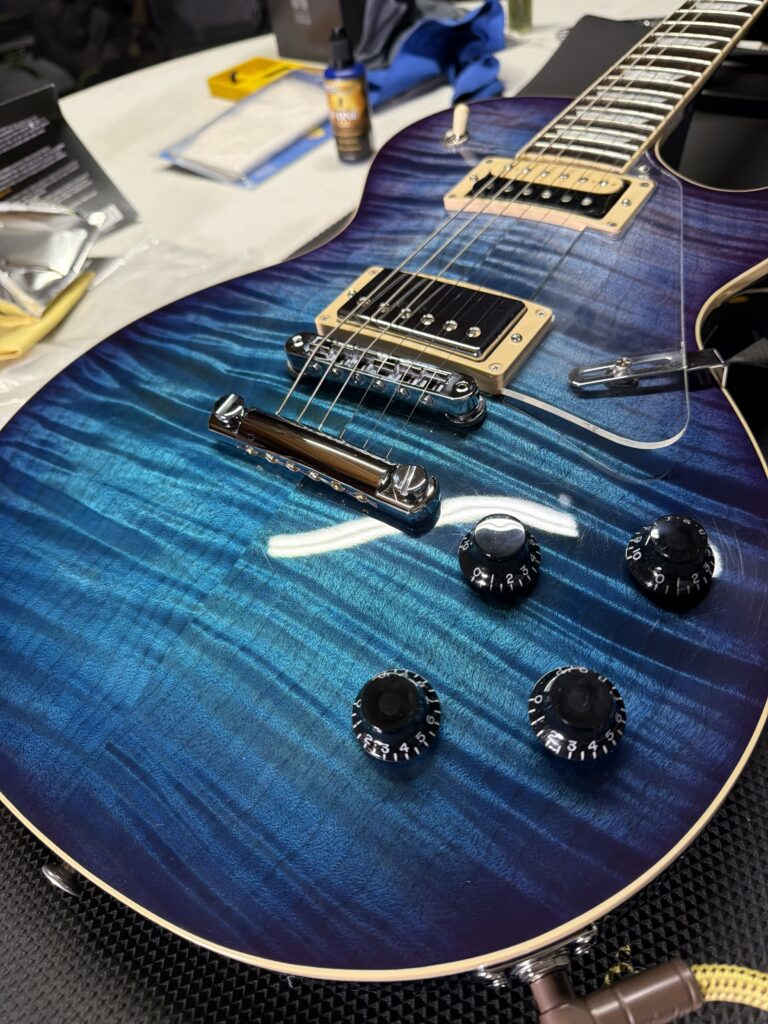
Welcome to the Gear Section of Should I Buy This Crap?
If you’ve made it here, there’s a good chance you play guitar.
And if you play guitar, there’s also a good chance you’ve convinced yourself at least once that the next piece of gear would finally make you sound like your favorite guitarist.
How’d that work out?
Yeah.
Me too.
Welcome to the wonderful world of G.A.S.
Not the digestive kind, although guitar players are certainly old enough for that to become a concern too.
I’m talking about Gear Acquisition Syndrome.
The incurable condition where a guitarist with six guitars believes seven would be the correct number.
The illness where someone with twelve overdrive pedals suddenly becomes convinced that pedal number thirteen possesses magical properties unavailable to modern science.
The disorder that causes otherwise rational adults to explain to their spouses why they absolutely needed a guitar stand made from aircraft-grade unobtainium instead of the perfectly functional one already sitting in the corner.
This section is dedicated to all of that wonderful nonsense.
The Search For Tone
Every guitarist eventually learns a difficult truth.
The perfect tone doesn’t exist.
Oh sure.
You can get close.
Really close.
Then you’ll hear somebody on YouTube playing through a guitar you’ve never heard of, into an amp you can’t afford, through a pedal that was discontinued three years ago and now costs more used than it did new.
Then the cycle begins again.
The pursuit of tone is a lot like chasing a squirrel.
You might catch it.
But then you’ll immediately notice another squirrel.
The Guitar Hierarchy Of Needs
Most guitar players follow a surprisingly predictable path.
Phase 1
“I just need a guitar.”
Phase 2
“I should probably get an amp.”
Phase 3
“Maybe one overdrive pedal.”
Phase 4
“Well, technically this fuzz pedal is completely different.”
Phase 5
“These seven pedals all serve unique purposes.”
Phase 6
“I can quit buying gear anytime I want.”
Phase 7
Researching custom-shop instruments at three in the morning while pretending it’s educational.
What’s Actually Worth Buying?
One thing I’ve learned over the years is that not all guitar gear is created equal.
Some products genuinely improve your playing experience.
Some products solve real problems.
Some products become trusted companions you use for decades.
Other products exist primarily to separate guitar players from money.
I’ll do my best to help you identify which is which.
Every review in this section comes from actual ownership, actual use, and actual experience.
That means you’ll get:
- The good stuff
- The bad stuff
- The weird stuff
- The stuff manufacturers would rather nobody mention
If something is great, I’ll tell you.
If something is overrated crap, I’ll tell you that too.
My Philosophy On Guitar Gear
The best gear isn’t always the most expensive.
The best gear is the gear that makes you want to play.
That’s it.
A $500 guitar that makes you pick it up every day is better than a $10,000 guitar that spends its life decorating a wall.
A simple overdrive pedal that inspires you is worth more than a boutique pedalboard full of confusion.
And a reliable guitar stand that doesn’t eat your finish is worth its weight in gold.
I’m far more interested in equipment that survives years of ownership than equipment that impresses somebody during a ten-minute demo.
Some Hard Truths
Let’s save everyone some time.
You Probably Don’t Need Another Guitar.
You probably want another guitar.
Those are not the same thing.
Nobody In The Audience Cares About Your Pickups.
They care whether the song sounds good.
Practicing Frequently Beats Buying Gear Frequently.
Unfortunately, that advice is free and therefore unpopular.
One More Pedal Will Not Turn You Into Jimmy Page.
Trust me.
Many of us have conducted extensive and expensive research on this topic.
Reviews You’ll Find Here
This section includes reviews and ownership reports covering:
Electric Guitars
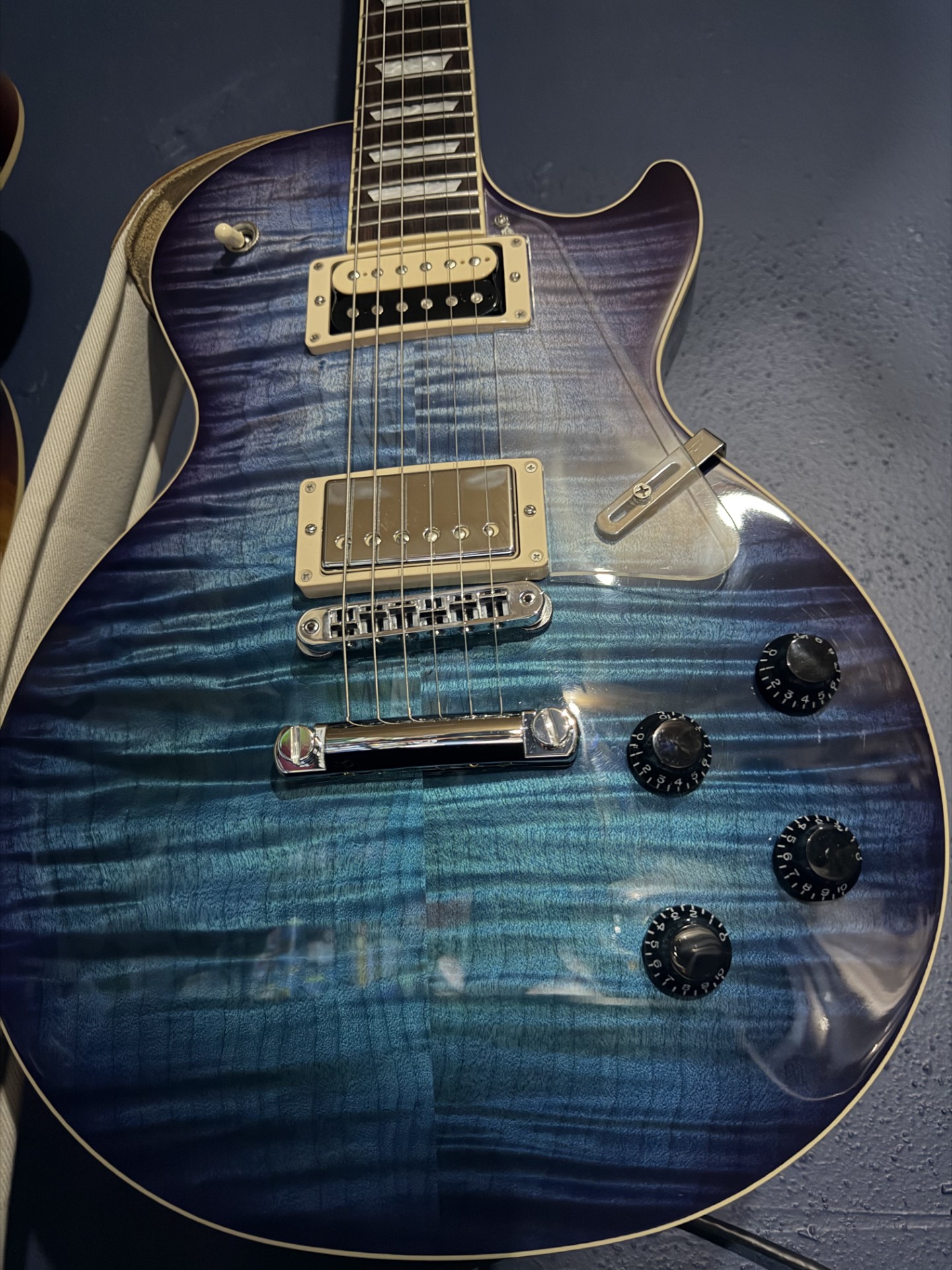
Because apparently one Les Paul is never enough.
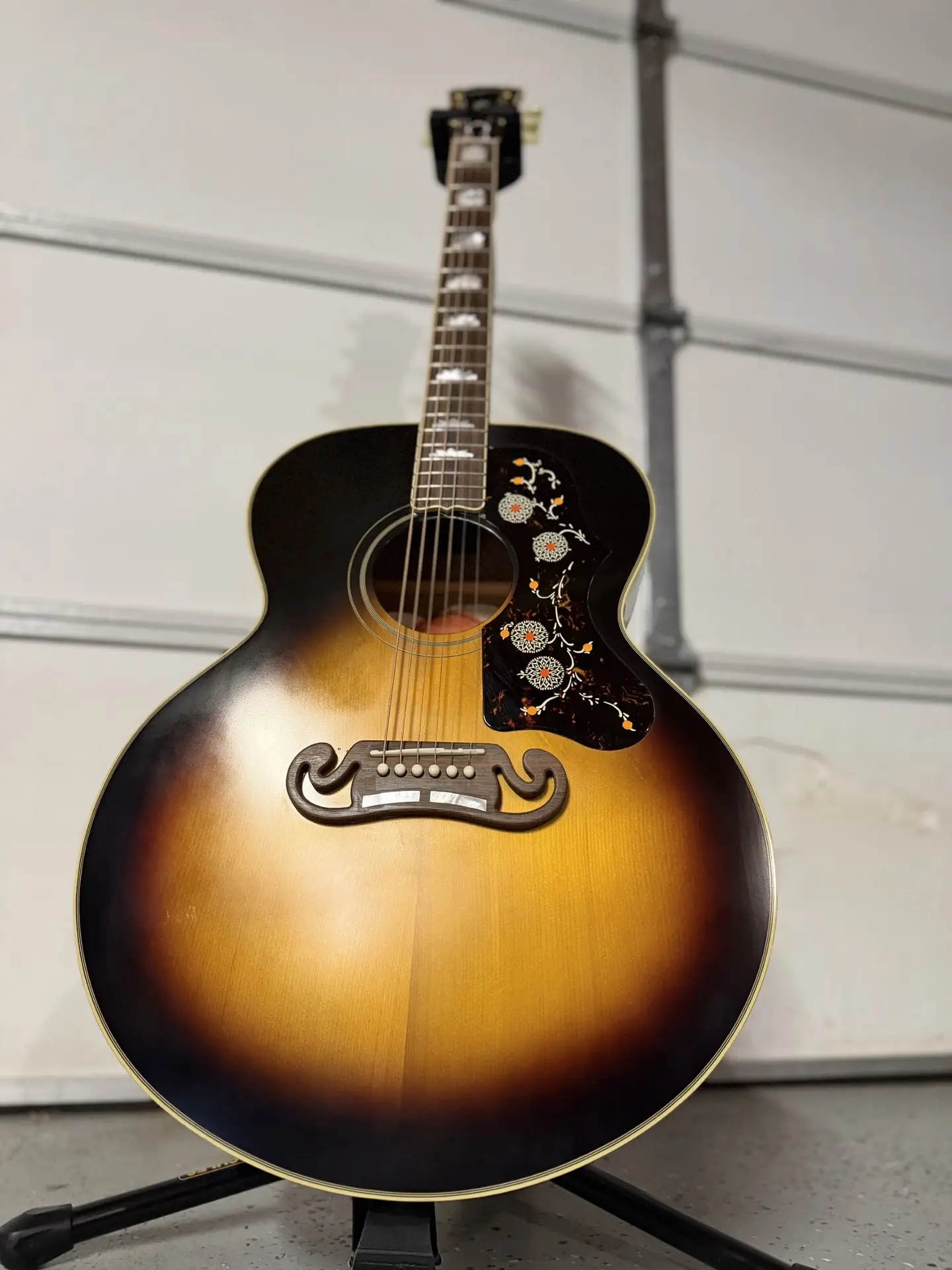
Acoustic Guitars
The instruments we buy to play quietly and somehow end up buying microphones for.
Amplifiers
Big boxes that transform electricity into happiness.
Pedals
Tiny boxes that transform happiness into empty bank accounts.
Accessories
Stands, straps, tuners, picks, cases, and all the other things we swear we’ll stop buying someday.
Official Guitar Dad Disclaimer
ShouldIBuyThisCrap.com cannot be held responsible for:
- Additional guitar purchases
- Unexpected amplifier acquisitions
- Pedalboard growth
- Obsessive tone chasing
- Learning about discontinued gear you now desperately want
- Sudden urges to play AC/DC riffs for two hours
- Explaining Reverb purchases to your spouse
If symptoms persist for more than four hours, purchase another guitar and call it a collection.
Final Thought
At the end of the day, gear isn’t the goal.
Music is.
The gear is just the fun pile of crap we accumulate along the way.
So grab a guitar.
Play something badly.
Then play it a little better tomorrow.
And if a cool piece of gear helps you enjoy the journey, well…
That’s exactly the kind of crap we’re here to talk about.


Leave a Reply